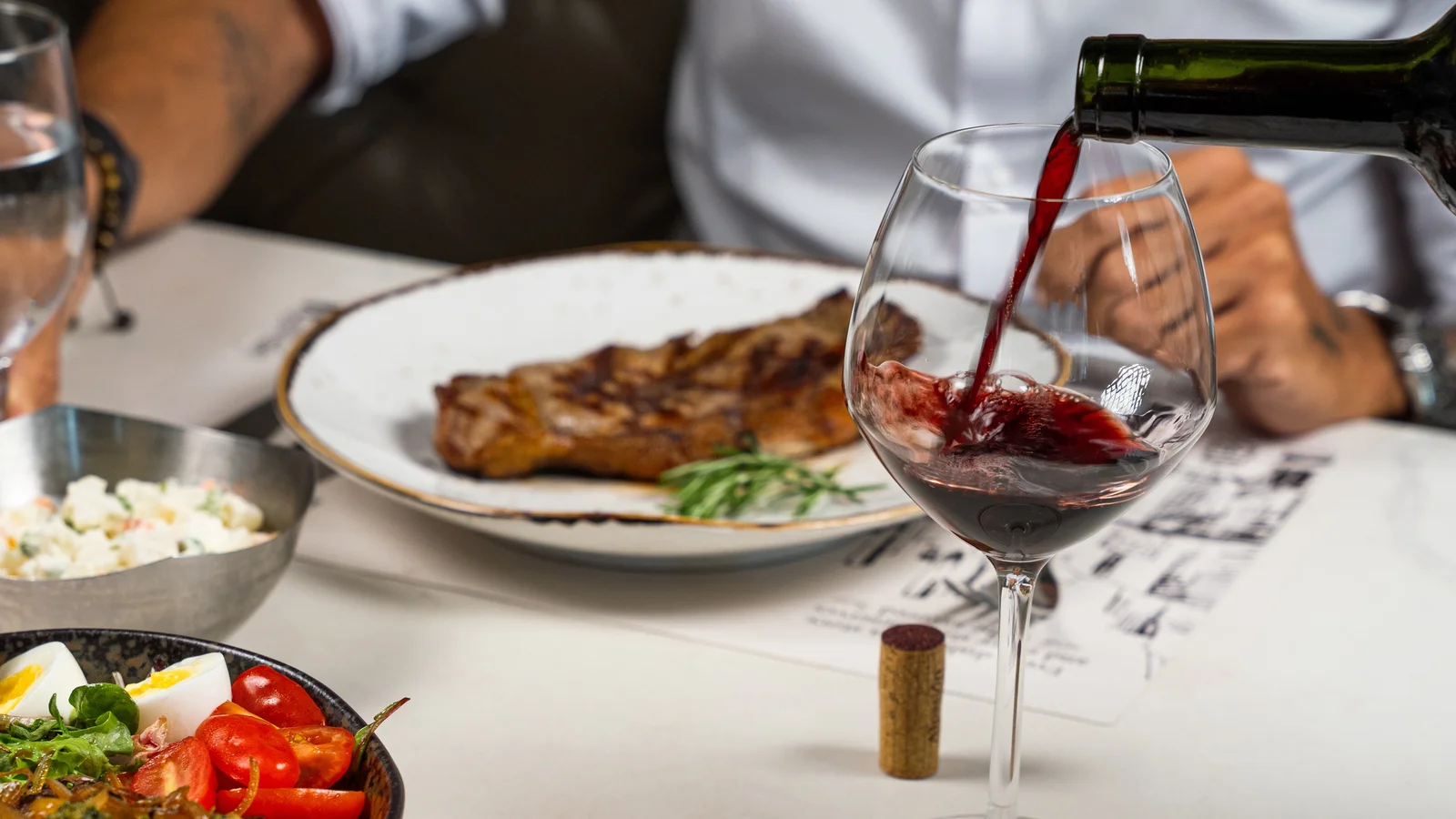
Chimichurri is not a condiment. In Buenos Aires, it is a structural element of the meal, as deliberate in its composition as the cut selection or the fire itself. Yet outside Argentina, it is routinely reduced to a green sauce splashed over whatever lands on the plate, its acid balance ignored, its cut-specific function completely lost.
At Baires Grill, chimichurri is treated the way it was designed to be treated: as a precision tool calibrated to the fat content, fiber density, and Maillard crust of each individual cut. Understanding that relationship changes how you order, how you eat, and what you taste.
This guide breaks down the culinary chemistry at work, maps each major Baires Grill cut to its ideal chimichurri profile, and explains why the difference between a good asado experience and a transcendent one often comes down to a single, correctly balanced sauce.
What Makes an Authentic Argentine Chimichurri
The word "chimichurri" gets applied to everything from blender-processed bright-green pastes to vinegar-heavy marinades with a sprinkle of dried herbs. None of those are chimichurri in the Buenos Aires sense.
The authentic version is built on a specific ratio of components, each with a defined function:
- Fresh flat-leaf parsley: The dominant herb, providing chlorophyll brightness and a vegetal sharpness that cuts through rendered fat.
- Wild oregano: Earthier and more resinous than Mediterranean varieties, it adds aromatic depth and a subtle bitterness that balances the parsley's brightness.
- Finely minced garlic: Raw allicin compounds create a lingering heat that amplifies the Maillard crust on grilled beef without competing with it.
- Ají molido (crushed red pepper): Argentine-specific dried chili that contributes warmth and slow-building spice, distinct from Italian red pepper flakes in texture and heat profile.
- Extra virgin olive oil and vinegar emulsion: The load-bearing structural element. The ratio between oil and acid determines whether the chimichurri complements or overwhelms the cut it accompanies.
The emulsion is where most mass-market versions fail. Too much vinegar produces a harsh, one-dimensional sauce that strips flavor from the meat rather than elevating it. Too much oil produces a heavy, greasy application that compounds the richness of a fatty cut instead of counterbalancing it. The golden ratio is precisely calibrated so that the sauce functions as an acidity counterweight, breaking through the lipid content of prime beef while accentuating the smoky depth produced by live-fire grilling.
At Baires Grill, this balance is non-negotiable. The chimichurri served alongside each cut is not a universal garnish. It is a deliberate pairing, and knowing the logic behind it helps you get the most from every plate.
Cut-by-Cut Pairing Guide: Baires Grill's Signature Steaks
Entraña (Skirt Steak): High Acid, Herb-Forward
Entraña is one of the most fat-intensive cuts on the Argentine asado lineup. It is a diaphragm muscle, heavily worked during the animal's life, which produces a robust, intensely beefy flavor profile with pronounced intramuscular marbling and a coarse, open grain that traps rendered fat between fibers.
For entraña, the chimichurri needs to lead with acidity. A higher vinegar ratio, amplified parsley, and a generous application of ají molido cuts through the cut's richness and prevents the fat from coating the palate. The garlic needs to be minced fine enough to integrate fully rather than punctuate, because the entraña's own flavor is aggressive enough to handle herb intensity without being muted by it.
Applied correctly, an acid-forward chimichurri on entraña produces a clean finish after each bite, the fat cleansed, the smoky crust still present, the palate ready for the next.
Vacío (Flap Steak): Vibrant and Balanced, Leaning Acid
Vacío comes from the flank area, with a thick fat cap, a loose grain, and a flavor profile that sits between entraña's aggression and bife de chorizo's elegance. The fat cap renders beautifully on a live fire, creating a crackling exterior over a tender, juicy interior.
The chimichurri pairing here should be vibrant, meaning bright with fresh parsley and oregano, but slightly more balanced in the acid-to-oil ratio than the entraña application. The fat cap renders out during cooking, so the cut arrives with less residual surface lipid than entraña. A hair less acid prevents the chimichurri from becoming the dominant flavor element, allowing the vacío's natural sweetness to come through on the finish.
This is the cut where wild oregano's resinous quality becomes especially important. Its earthiness bridges the smoky char of the fat cap with the fresh green notes of the parsley, producing a layered, complex flavor interaction that a flat, vinegar-heavy chimichurri would simply erase.
Bife de Chorizo (New York Strip): Oil-Balanced, Lighter Hand
Despite sharing a name with the Spanish sausage, bife de chorizo has nothing to do with chorizo. It is the Argentine name for the New York Strip, a cut from the short loin with moderate marbling, a fine grain, and a flavor profile that is velvety, rich, and more refined than the working-muscle cuts above.
This is where the chimichurri pairing equation reverses. Because bife de chorizo carries less intramuscular fat than entraña or vacío, it does not need aggressive acid intervention. An acid-forward chimichurri on bife de chorizo will overpower the cut's more subtle flavor notes, leaving only the herb and vinegar on the palate while the beef character retreats.
The correct application here is an oil-dominant, lightly acid chimichurri, applied in a thinner layer, functioning more as a flavor enhancer than a palate cleanser. The olive oil component acts as a flavor carrier, transporting the aromatic garlic and parsley compounds across the cut's surface without the acetic acid stripping its delicate fat-to-protein ratio.
For guests ordering bife de chorizo at Baires Grill, the chimichurri should be requested on the side and applied sparingly. Let the cut speak first. Use the chimichurri to accentuate specific bites, not to coat the entire surface.
Asado de Tira (Short Ribs): Maximum Complexity, Full Sauce
Asado de tira, the cross-cut short rib that is the centerpiece of any traditional parrillada, is the richest cut on the Argentine table. Bone-in, heavily marbled, collagen-rich from slow rendering over low heat, it produces a deeply unctuous eating experience that rewards patience.
This is the cut where chimichurri chemistry performs its most impressive function. The collagen that renders out of asado de tira during cooking creates a thick, almost gelatinous surface lipid that coats the palate significantly. Only a robustly acid-forward chimichurri with maximum herb density and an assertive ají molido presence can penetrate that coating and reset the palate between bites.
Applied generously, a full-strength chimichurri on asado de tira creates a genuinely dynamic eating experience, each bite alternating between profound richness and bright, herbal clarity. Without it, the cut's richness becomes monotonous regardless of quality.
How Baires Grill Serves Chimichurri: What to Expect
At Baires Grill, chimichurri is prepared fresh, built on the proportions described above, and served alongside the relevant cuts at all nine locations. The sauce is never processed to uniformity, which means the texture retains visible herb pieces and occasional variation in oregano intensity, both markers of authentic preparation.
Guests who want to explore the pairing logic described in this guide can do so explicitly: ask your server which cuts are featured that evening, request chimichurri on the side for leaner cuts, and apply it progressively rather than coating the entire plate at once. The restaurant's team is trained in asado tradition and can guide pairing decisions alongside wine or Malbec selections.
Baires Grill locations are open across Orlando, Miami (Brickell, Miami Beach, Sunny Isles, Doral, Coral Gables), Fort Lauderdale (Las Olas), Weston, and New York City.
Experience the Pairing Yourself
The chemistry outlined in this guide is only as useful as the table you sit at. Reading about the acid-fat interaction between vacío and a vibrant chimichurri is a starting point. Tasting it at a live-fire parrilla is the actual education.
Baires Grill brings authentic Argentine asado to nine locations across Florida and New York, with each menu featuring the full range of cuts discussed here, from entraña and vacío to bife de chorizo and asado de tira, served alongside house-made chimichurri built on traditional Buenos Aires proportions.
Reserve your table and ask your server to walk you through the evening's cut selection. Tell them you want to pair. They will know what you mean.